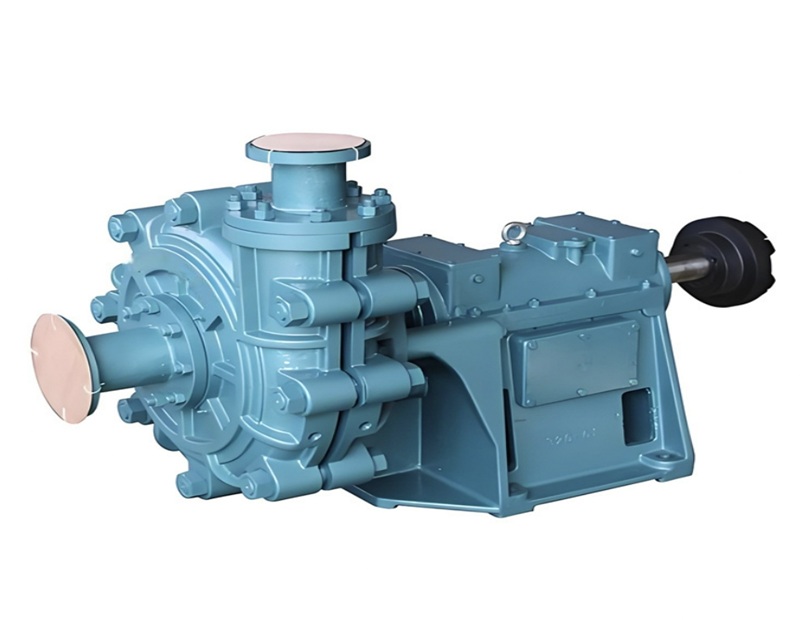
How to Select the Right Slurry Pump
08 / 20, 2026In sectors such as municipal engineering, mining, metallurgy, power generation, and dredging, the slurry pump serves as the “core transport equipment,” directly determining the continuous operational efficiency and maintenance costs of the production line. The right choice ensures three years of operation without major overhauls and allows for precise control over energy consumption; the wrong choice, however, can lead to frequent downtime for part replacements, skyrocketing maintenance costs, and even the failure of the entire production line.
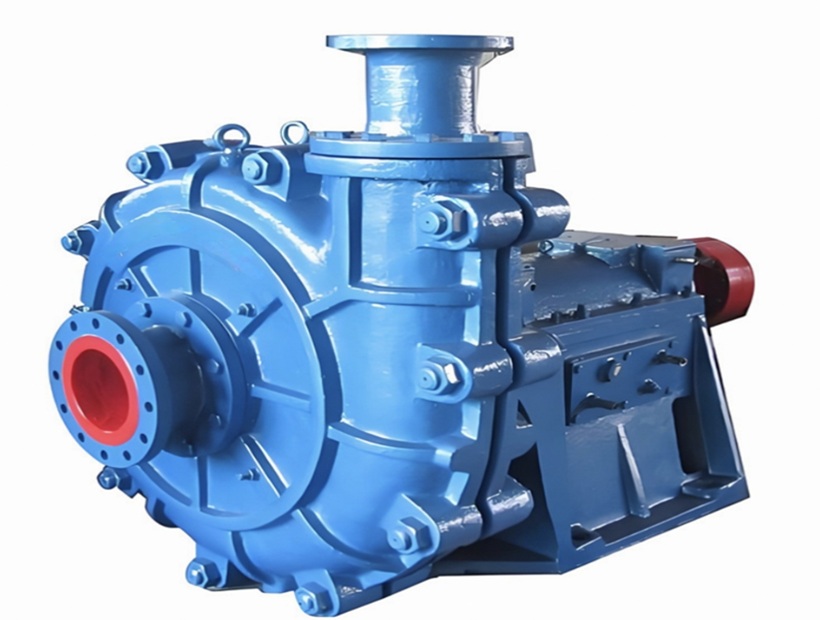
I. Three Core Aspects of Model Selection
Medium + Operating Conditions + Parameters
1. Medium
• The solid-to-liquid ratio and particle characteristics specifically solids content, particle size (with >5 mm classified as large particles), and hardness directly determine the design of the pump’s flow passages. For slurries characterized by large particles, high hardness, and high concentrations, the company’s heavy-duty slurry pumps are recommended; conversely, pumps designed for fine-powder transport are suitable for media with fine particles and low concentrations, thereby reducing operating costs. A weight concentration (Cw) of 30% serves as the dividing line between these applications.
• Material selection is precisely matched based on pH value and chloride ion content: for pH ≥4, conventional materials such as high-chromium alloys, ceramics, rubber linings, or polyurethane can be used; for pH < 4, a comprehensive assessment is required, with materials like A49, Cr30, or ceramics typically employed when chloride ion content (Cl⁻) is ≥5,000 ppm.
• Temperature and Viscosity: For high-temperature applications (>120°C), the use of the company’s high-temperature-resistant materials and sealing components prevents seal failure; for high-viscosity slurries, specialized low-speed pump models are employed, featuring increased head margin to ensure stable transport.
• Abrasiveness: For slurries containing high-hardness particles (such as iron ore), both metallic and non-metallic materials are suitable, though the specific material must be selected based on other medium characteristics; for mildly abrasive slurries, impellers made of specialized materials suffice, avoiding excessive investment.
2. Operating Conditions
The choice of pump type is significantly influenced by specific operating environments and process requirements. Key factors to consider include:
• Installation Space: Where space is ample, horizontal pumps with CRz or ZVz drive configurations are recommended for ease of maintenance. In confined spaces, CV/CVL horizontal pumps are suitable; however, for submerged applications (such as tailings handling or sump pumping), VSC vertical submersible pumps are preferred to save floor space and prevent cavitation.
• Pumping Temperature: For high-temperature slurries (>80°C), high-temperature-resistant seals and materials must be selected to prevent seal failure.
• Operating Mode: For critical systems requiring continuous operation, a “one-duty, one-standby” configuration is recommended—Shijiazhuang Boda Industrial Pump supports bulk supply to prevent production stoppages caused by single-pump failure. For intermittent operations, standby solutions can be customized as needed.
• Discharge Pressure: When interfacing with equipment such as hydrocyclones or filter presses, ensure sufficient discharge pressure by selecting pumps with steep performance curves; technical support for multi-pump series configurations is available if necessary to guarantee stable pressure.
3. Parameters
Parameter calculations directly impact operational efficiency; Zhengzhou Jinggong Technology Co., Ltd. recommends precise calculations based on the following standards, while incorporating a reasonable safety margin:
• Flow Rate (Q): Calculate based on process requirements (unit: m³/h) and include a 10%–15% margin to accommodate production fluctuations. For instance, if the actual requirement is 50 m³/h, selecting a pump rated for 60–65 m³/h is the safer choice.
• Head (H): Calculate by factoring in vertical lift, pipeline length, and resistance from elbows and valves, then add a 10% margin. This prevents flow issues caused by insufficient head, while also avoiding energy waste from excessive head or operational failure due to cavitation.
• Motor Power: Match the motor to 1.1–1.25 times the shaft power to handle transient load fluctuations and prevent motor burnout (due to insufficient power) or energy waste (due to excessive power); all supplied motors meet industrial high-efficiency standards.
II. Summary of the Selection Process
The key to selecting a slurry pump lies in “meeting specific needs” rather than blindly pursuing high-priced products. By thoroughly understanding the properties of the medium, accurately calculating core parameters, and matching the equipment to operational requirements, you can ensure high efficiency, extended service life, and cost-effective performance.